
Tasting menu
5 ways of turning cultural into financial capital

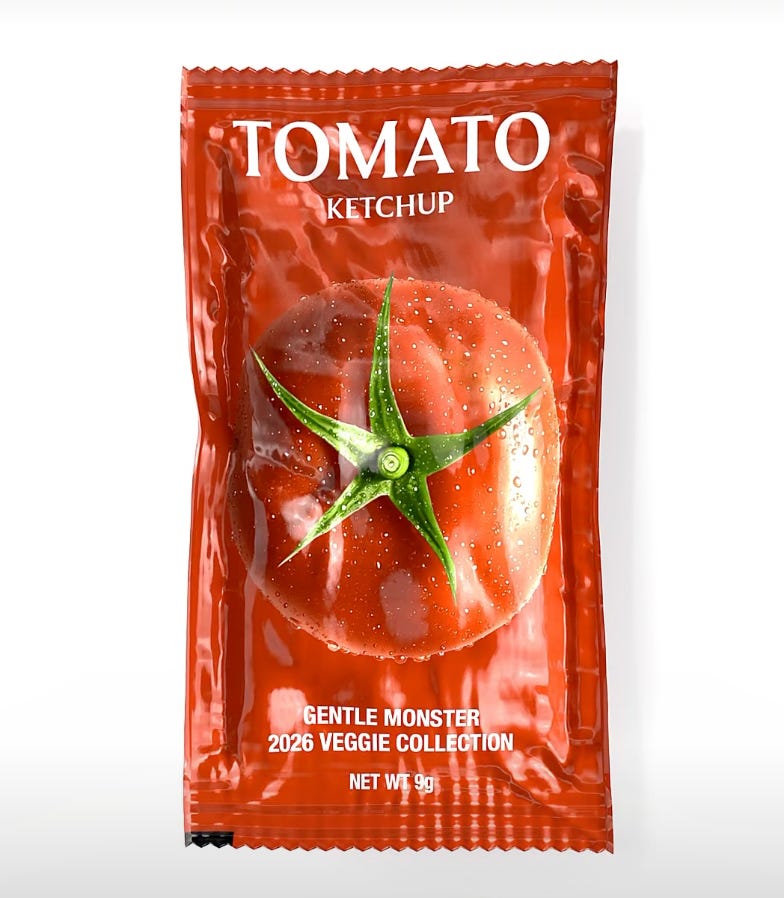
Everyone has their favorite food. It’s just one of those things that can’t be explained to someone who doesn’t already get it.
This fact alone makes food a cultural industry. Add to it the rest: aesthetics, waitlists, Resy, foodTok, Nara Smith, David bars, Noma reopening, Omakase, foodies … and you get a stock exchange for taste, knowledge and belonging into cultural capital.
Food has its own language, vocabulary, pilgrimages, fandoms, locations and worships, status signaling, passions, and belonging. All of this is hard to fake, slow to commodify, and provides a durable competitive advantage. It protects margins, commands price premiums and builds brand equity for food brands.
In theory.
There are only few brands who know how convert taste, knowledge, and community linked with food into cultural capital.
Late last night, I arrived to Cannes from London (London was HOT and busy!). It was Festival de Musique, to celebrated the Midsummer night. This would normally be an exciting occasion, but I was making my way with luggage through the midnight crowd. Fun. As always, the Cannes week is packed, and I look forward to all the dinners and lunches and meetings, and of course, hope to see you some of you.
To shed light on this process, I identified five ways to convert cultural capital into the financial one:
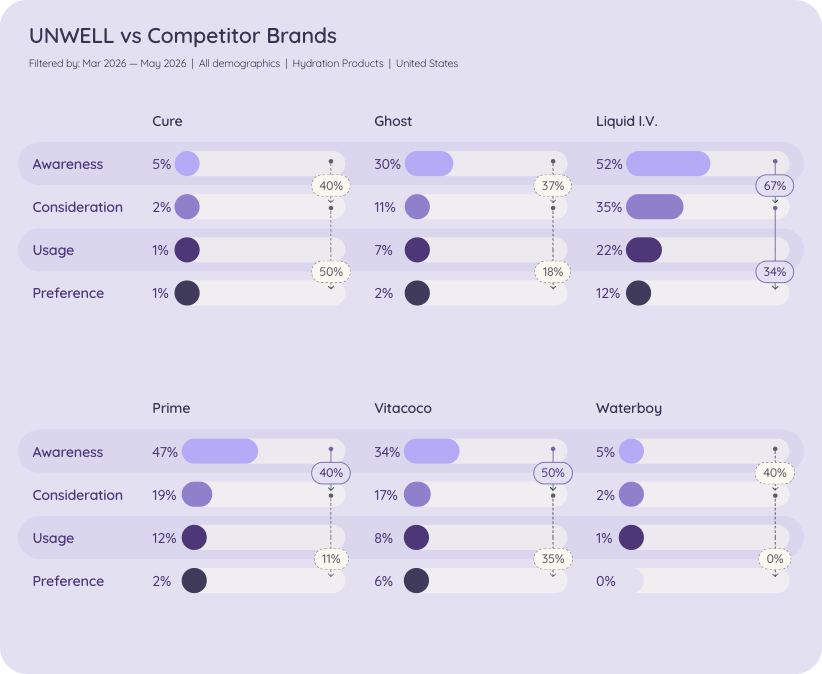
Scarcity. In hydration, Gatorade scores 59 percent on trust, Pedialyte 55 percent, according to Tracksuit, a brand tracker. These numbers are built over decades of focused and specific use cases. Liquid IV, despite leading the category on innovation perception at 37 percent against a 24 percent competitor advantage, is labeled as “Expensive” as its most prominent open-ended consumer association.
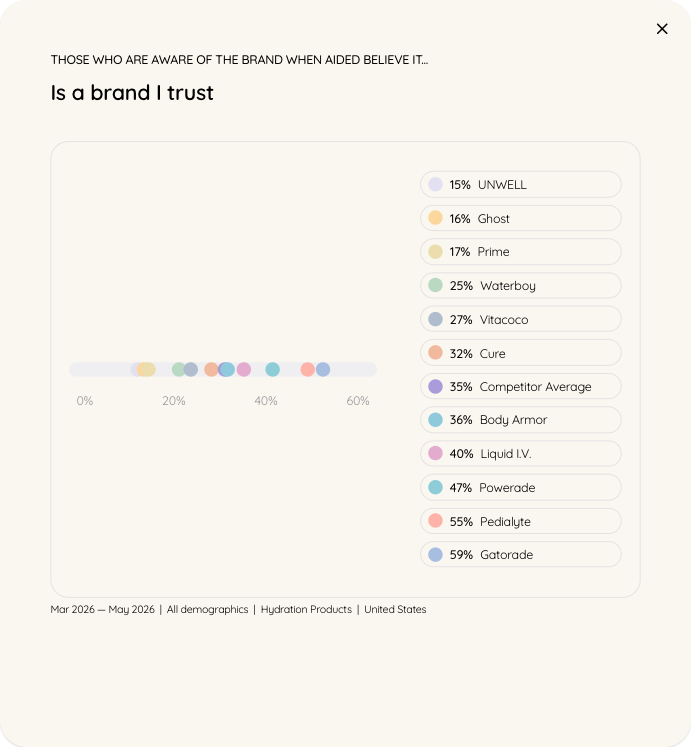
Trust without scarcity hasn’t been earned yet. Earning it requires real constraints: a limited production volume, a decision not to scale, a limited number of SKUs. “Less but better” approach always creates durable cultural capital (FOMO is real) rather than a news cycle.
Opacity. Liquid Death water in aluminum cans with a heavy metal aesthetic is up 5 awareness points year-on-year, the only large brand in. flavored sparkling water that is gaining meaningful ground, according to Tracksuit. Others: Bubly, Perrier, and San Pellegrino dropped 3, 6 and 5 awareness points, respectively.
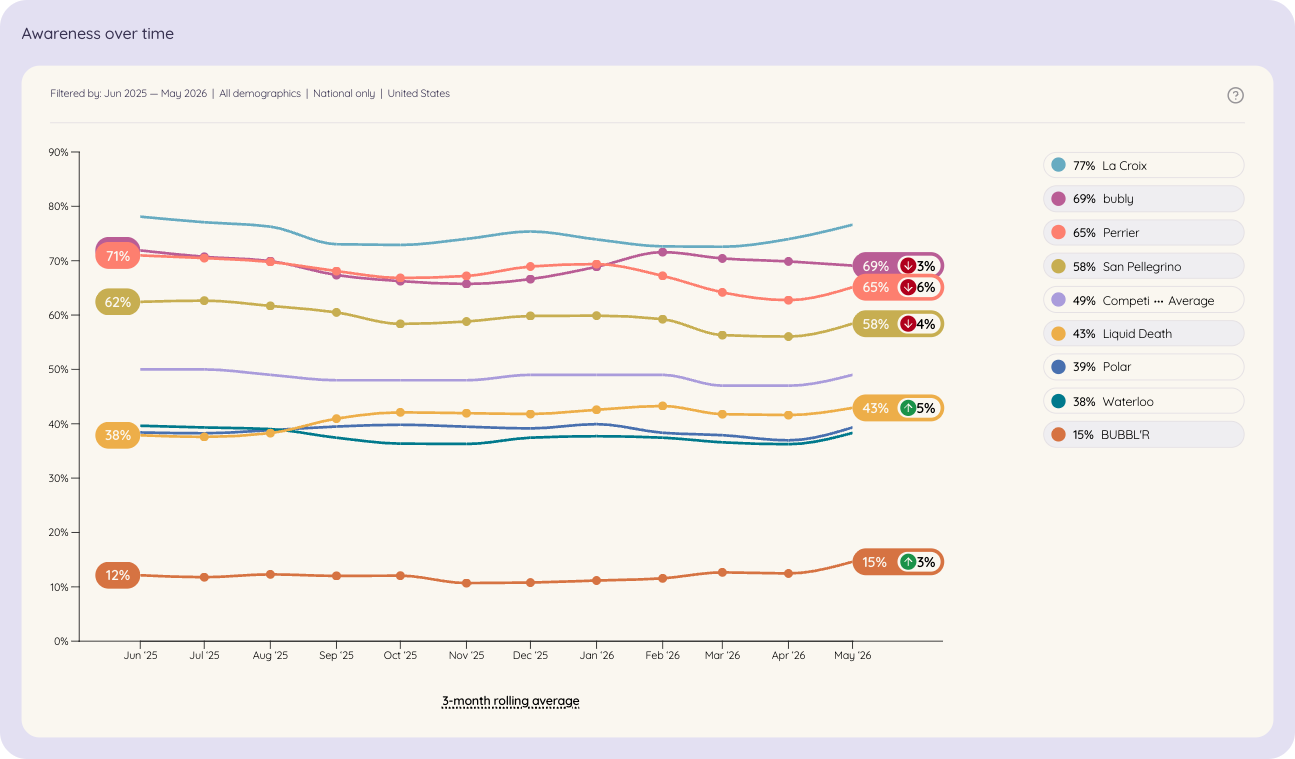
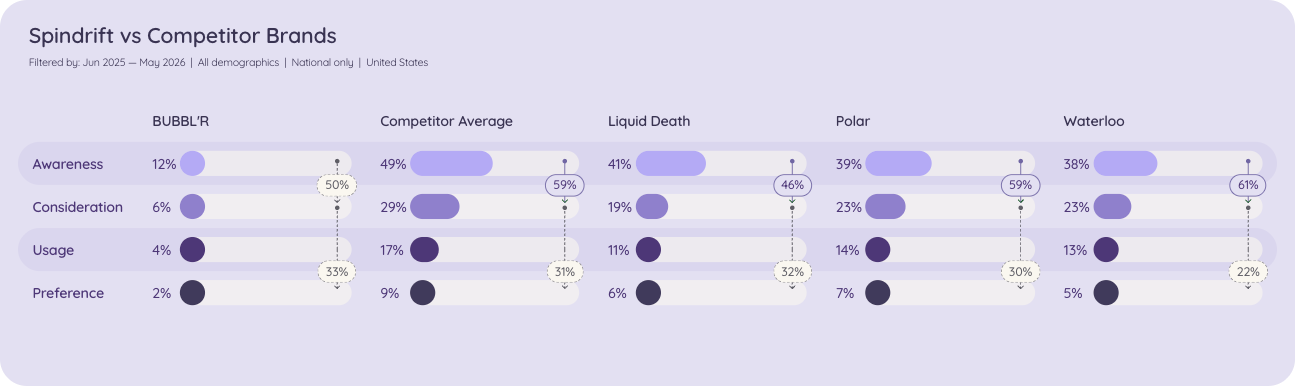
In a category where the product is a commodity (water), the one with most distinct identity is the one growing. Knowing the Liquid Death story — heavy metal lovers are also frequently vegan and aluminum packaging is death to plastic — makes deliberate opacity a key part of Liquid Death’s brand operating system. Those who do not know the story, like Liquid Death’s packaging. Those who know it, identify with the brand and buy it because they want to signal their values and belong to the community of those who want the same. This knowledge gap keeps the Liquid’s Death brand identity distinct.
Aesthetic innovation. Cure, competing for the same hydration buyer as Liquid IV, is associated with: Clean, Replenishing, Healing, Natural, Reputable, according to Tracksuit.
These two brands are in the same functional category, but occupy the entire different emotional registers. The first is defined by its beliefs, the second by its cost. Cure achieved its cultural calculus by putting forward an aesthetic argument versus a commercial one.
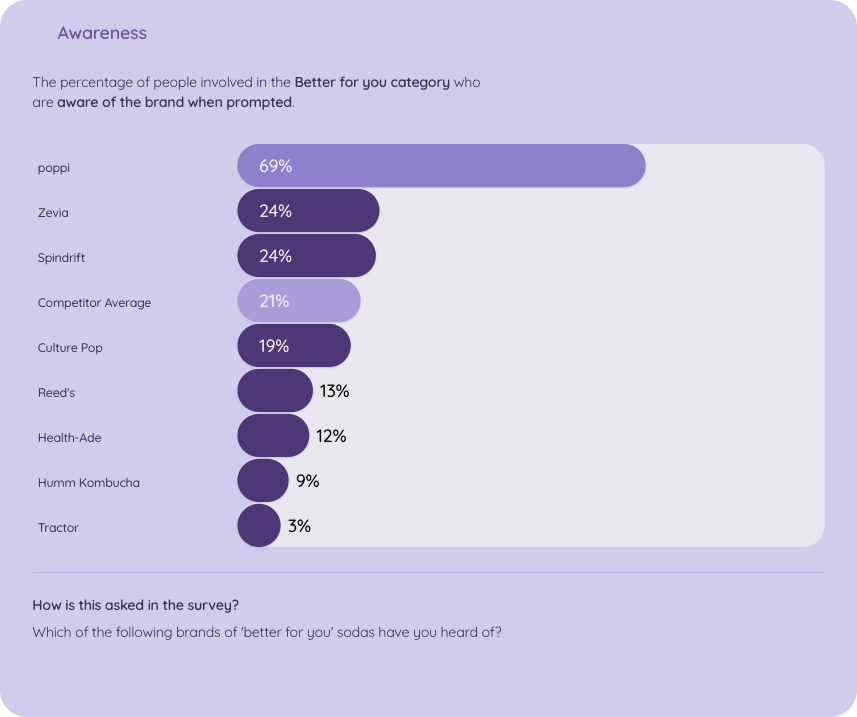
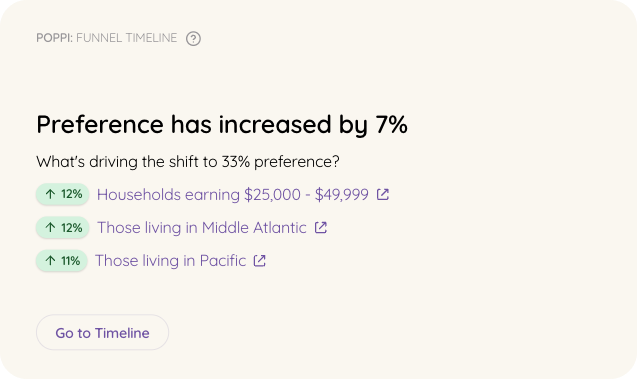
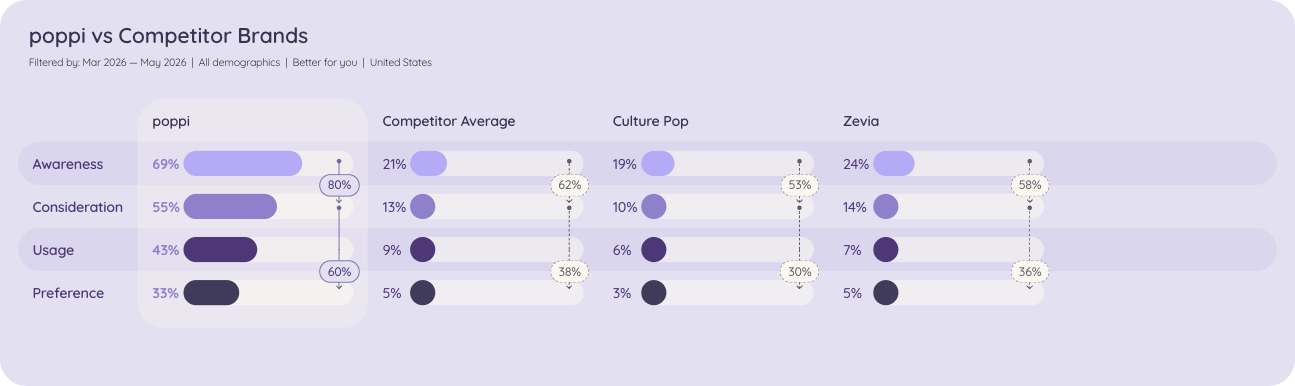
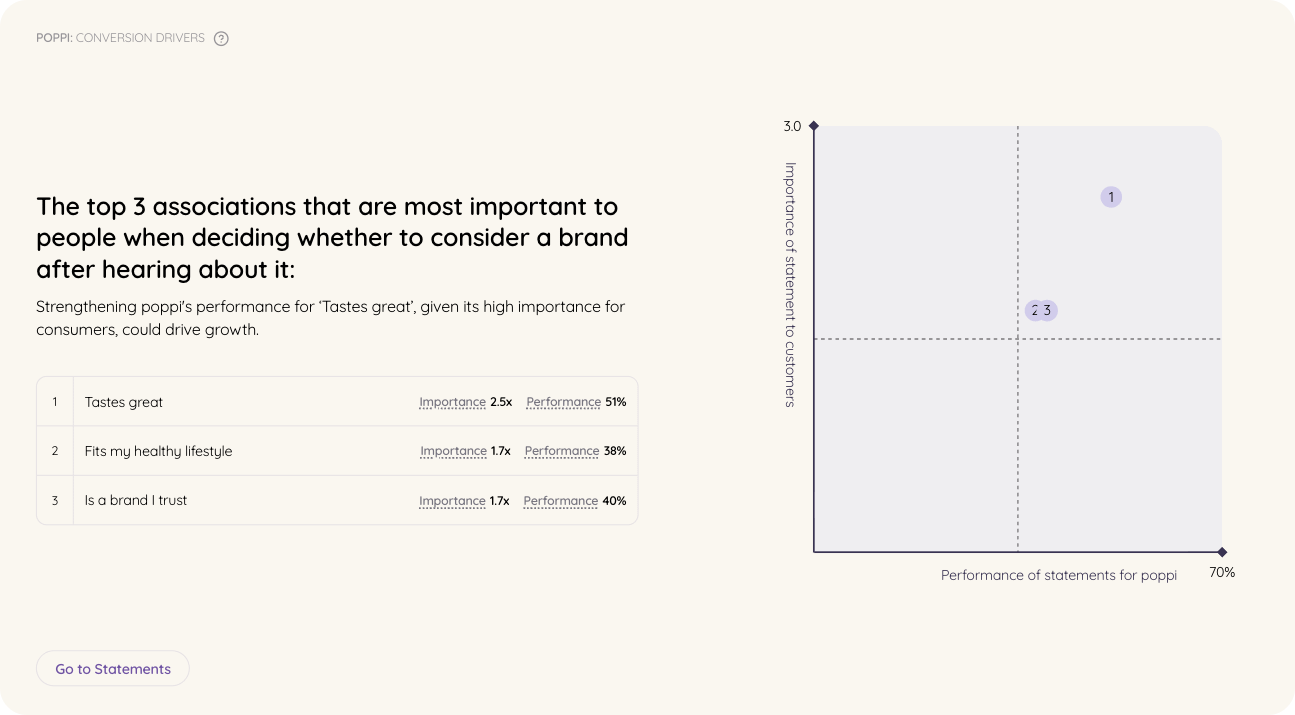
Connoisseurship. Poppi sits at 69 percent aided awareness, well above the 24 percent of its nearest competitors. Its single most important consideration driver is taste, on which Poppi scores 51 percent among aware consumers.
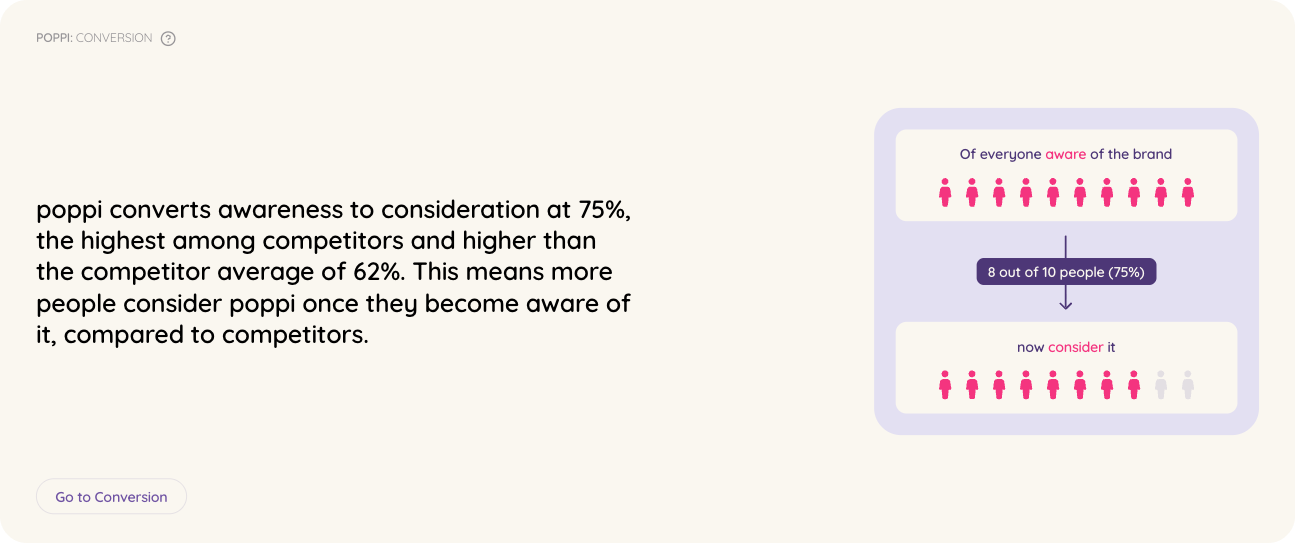
Reed’s is at fraction of poppi’s scale, but scores 61 percent on the same measure. (All data provided by Tracksuit). The connoisseur is not a consumer, but a taste network: their choice validates and endorses, their social graph distributes, and their attendance at events and activations is a signal of a brand’s cultural relevance. Lesson for brands is to cultivate this fandom: they are more valuable, both culturally and commercially, than your mass reach.
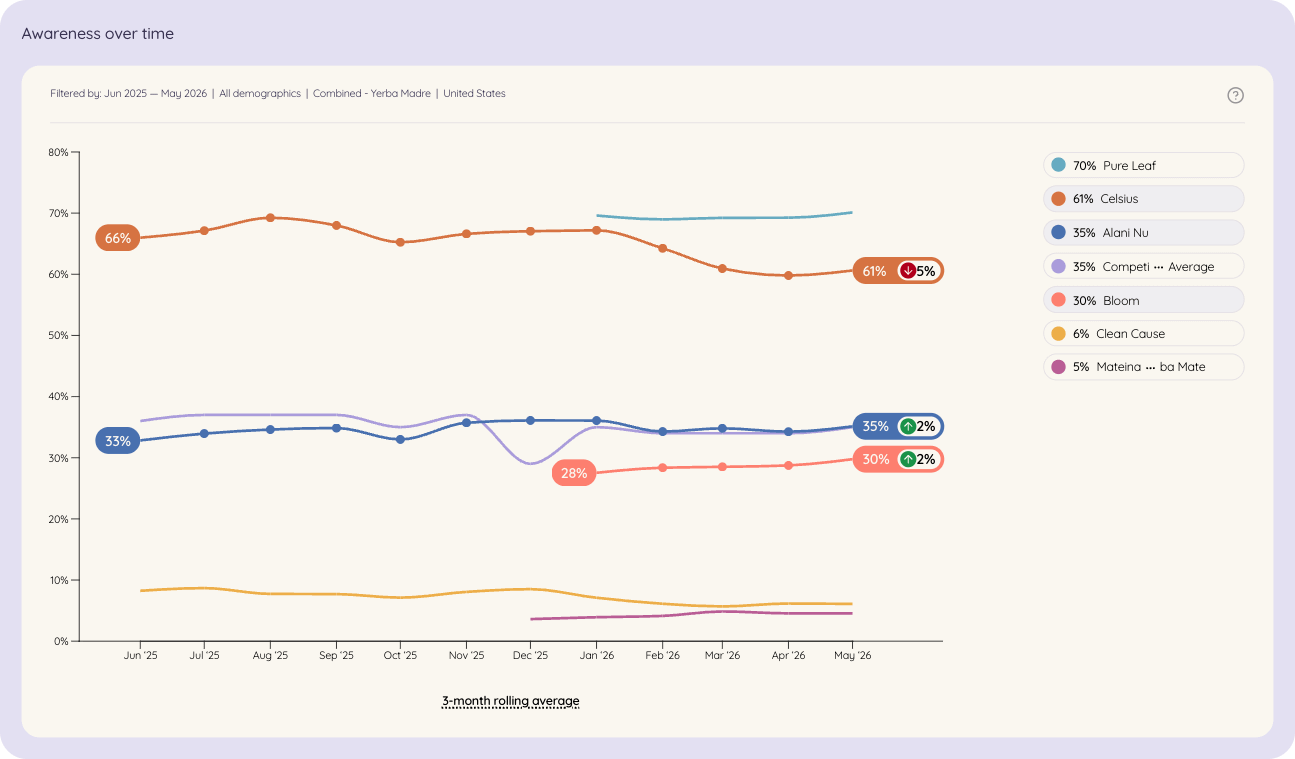
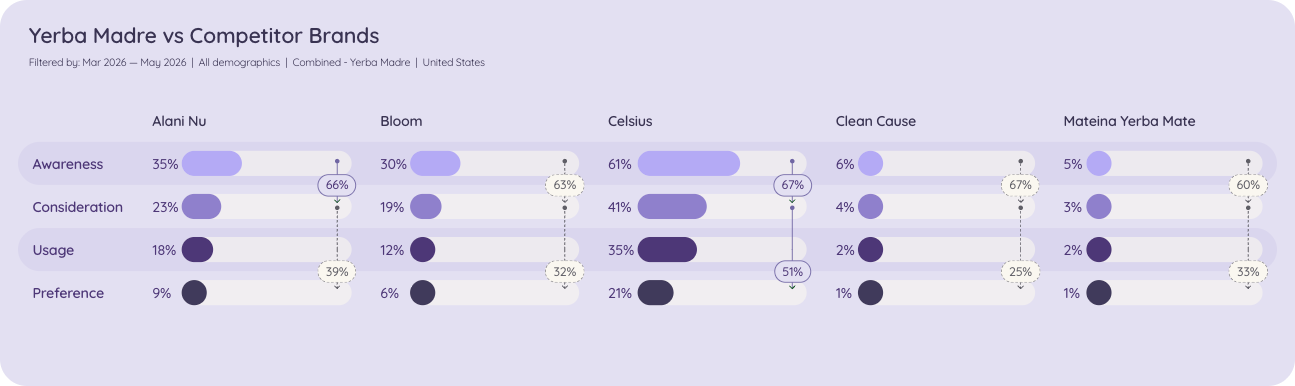
Identity. Celsius built category momentum rather than identity: it’s awareness leader at 61 percent, but down 5 points over 12 months in a growing category, per Tracksuit. The conversion funnel is strong among its existing users, but the brand awareness pool is contracting.
Celsius’ brand identity is no longer recruiting new customers. Food is one of the few industries (together with beauty, fashion, and wellness) that’s intimately tied to the body, daily ritual, and our sense of self. What we eat are identity markers as much as they are our sustenance. They signal what we know, who we know, what we believe counts as good.
Food brands that understand the culture-to-finance conversion (and have built the organization able to sustain it) are those that we will see doing more of fun things around. In any capital, the keyword is always accumulation. In cultural capital, accumulated are taste, status, belonging, and knowledge. Creating planned product scarcity, deliberate communication opacity, constant aesthetic innovation, nurturing connoisseurship and encouraging identity signaling, rather than one-off brand activations or campaigns, make the market winners.
This issue of the Sociology of Business is in partnership with Tracksuit, a brand tracker that gives marketers and strategists continuous visibility into how their brand is performing on the metrics that predict long-term revenue growth.
Great article, Ana. Thank you very much for your contribution. This is always a fascinating topic, relating Taste and Cultural Capital (Bourdieu). However, when it comes to food and beverages, it becomes even more complex to analyze. When we talk about food, we’re referring to products that consumers have developed their tastes for through various factors, including the ones you mentioned, as well as biological factors and the sensory taste experience we have through our five senses. All these variables, combined with branding, lead us to a rich theme of analysis that explores the path to financial capital. Amazing :)